
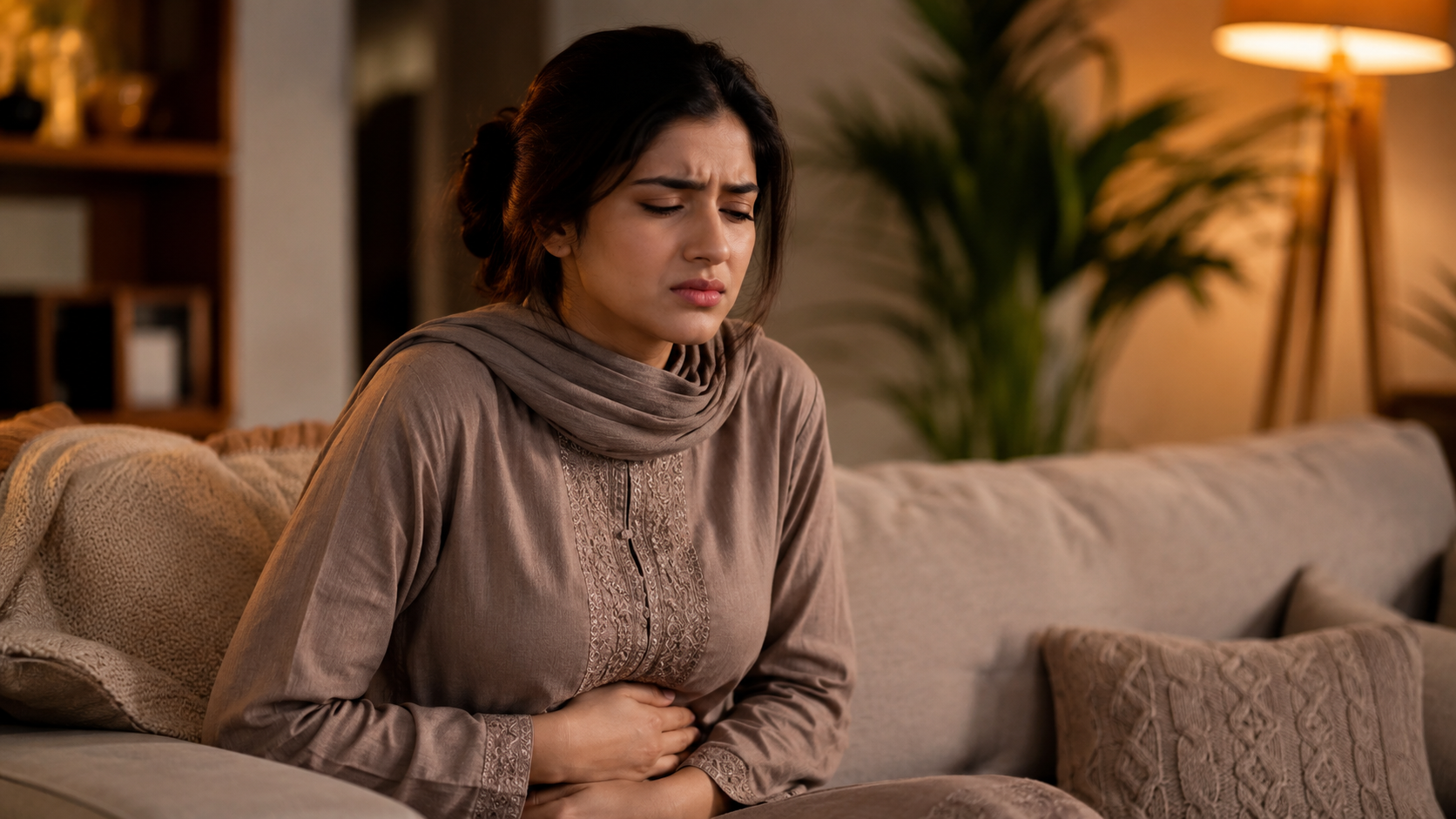
😊 Introduction
When you see your favorite food on the table, do you also compromise with yourself and think, “Come on, let’s just eat half a chapati or a little bit extra today!”?
My dear friends, we all make this exact same mistake at some point. When our favorite meal is cooked at home after a long time, or when we lose control of our cravings at a restaurant, we often think—what difference is half a chapati going to make? What harm could a few more bites do?
But honestly, within just a few minutes, the entire game changes, and you suddenly start experiencing a heavy stomach after eating. At that exact moment, the first thought that hits your mind is, “Wait, I only ate half a chapati extra. I have done this so many times before, and nothing happened then.
So why is my stomach acting up right now?” While you are still trapped in this thought, your stomach becomes so tight and full that your discomfort shoots up, and you suddenly start getting sour burps.
After that, whether it is your office work or daily household chores, you just cannot focus on anything at all. You feel so uneasy that you don’t want to do anything; you just want to leave everything behind and quietly go to sleep. But guess what? Even lying down does not bring any peace.
Instead, it feels like the food has traveled straight up to your throat. You feel trapped in a condition where the food seems stuck in your stomach, refusing to move forward or pass out.
Honestly, sometimes this heaviness feels so unbearable, just like the constant heavy weight a pregnant woman feels in her belly. That is exactly how painful and heavy you feel during those few hours.
In moments like these, your mind goes into a non-stop loop, wondering what exactly went wrong. My friends, we often think that this stomach tightness after eating happens simply because we overate, but that is not the case. When we eat, it is not just about the portion size or amount of food.
Your wrong eating habits, a rushed lifestyle, and certain specific ingredients in your food that trigger gas and bloating—all of these hidden factors play a major role behind the scenes.
This frustrating situation happens to almost everyone at least once in their life. That is exactly why I have brought this special blog for you through Smart Vibe Wellness.
I want to make sure you don’t have to suffer through this discomfort repeatedly, help you find out where exactly you are making a mistake, and share simple natural relief tips for bloating and home remedies that actually work. So, let’s sit down, chat, and find out the real scientific reason behind this together!
🛑 The Real Reasons: Why Does Your Stomach Feel Tight After Eating?
Have you ever wondered what exactly happens inside your body that turns a delicious meal into a painful nightmare? It is not just about how much food you put on your plate; your daily habits and food choices play a huge role too. Let’s dive deep and look at the most common reasons behind this discomfort in a very simple way.
1. Overeating (Eating Double Portions Out of Love)
My friends, we all have this common habit. When our favorite food is cooked at home—like hot, fluffy puris, a sweet dessert, or delicious non-veg! Or when we visit a nice restaurant and catch the aroma of our favorite dishes, we completely lose control over our taste buds.
In those moments, we don’t just eat a little bit extra; we actually serve ourselves the exact same amount of food all over again! To put it simply, we end up gulping down two full meals in a single sitting. But this is exactly what triggers our stomach problems.
The Real Scientific Reason:
Our stomach works just like a small kitchen mixer. Meaning, to digest food properly, our stomach produces digestive juices and acids. When we forcefully fill our stomach with double the amount of food than its actual capacity, there is literally no space left for that mixer to rotate or for the digestive juices to do their work.
As a result, your digestion process comes to a complete standstill. That unprocessed food just sits in your gut, starts fermenting, and generates a massive amount of gas. This is exactly why you experience immediate stomach tightness and bloating after eating.
2. Eating Too Fast (Eating on the Run)
My friends, in today’s fast-paced lifestyle, we have no time for anything, not even for our meals! Many people try to finish their food in just 5 to 10 minutes, either in an office rush or while scrolling through their mobile phones.
Our ancestors and even modern science tell us that we should chew every single bite 32 times. But what do we actually do? In a hurry, we chew just 3 to 4 times and directly push the food down into our stomach. This exact rush turns into a huge problem for our gut.
The Real Scientific Reason:
When we eat too quickly, large and solid chunks of food enter our stomach directly. Because of this, our stomach has to work twice as hard to grind that food down, which completely slows down our digestion process.
But the most important thing that goes wrong is that while swallowing food so rapidly, we also gulp down a lot of outside air into our stomach. In scientific terms, this is called swallowing air. When this natural air gets trapped inside your stomach along with the food, it cannot escape easily.
This is exactly what creates a massive buildup, leading to immediate stomach tightness and bloating after eating.
3. Gas and Bloating (The Balloon Effect)
My friends, most of the time we think that our stomach feels tight only because we overate, but that is not true. Sometimes, we eat a very small or light meal, yet our stomach starts feeling heavy.
The main reason behind this is the food choices we make! Knowingly or unknowingly, certain things enter our diet which produce a massive amount of gas once they reach our stomach, and that is how the trouble of gas and bloating begins.
The Real Scientific Reason:
When we eat specific foods—like refined flour items (maida), excess lentils or beans, fast food, or even fizzy drinks and soda during our meals—the bacteria in our gut release a lot of carbon dioxide and hydrogen gas while digesting this food.
This gas creates a lot of pressure from the inside of your stomach. To put it in simple words, because the gas gets trapped inside, your stomach muscles get stretched out. This is exactly why, right after finishing your meal, you immediately start experiencing stomach tightness and bloating after eating.
4. Rushed Lifestyle & Immediate Rest (Hitting the Bed Right After Eating)
My friends, a question must have surely crossed your mind: “Why is it that on other days, even if I eat an extra chapati or a little more rice just because it’s my favorite food, I don’t feel any discomfort? Then why does my stomach suddenly feel so tight and heavy sometimes, even after having a very light and regular meal?”
Well my friends, the answer does not lie in ‘how much’ you ate, but rather in ‘what you did right after eating’! Today, many people have this common habit—as soon as they finish their meal, they just push their plates away and immediately lie down on the bed without any physical movement.
But let me tell you, this is our biggest lifestyle mistake!
The Real Scientific Reason:
When we eat, our body needs a certain amount of physical movement to digest that food properly. But when you hit the bed right after eating, your body’s movement stops completely. According to science, due to this lack of movement and the effect of gravity, that food just sits in one single place inside your stomach.
The biggest problem that happens here is that your digestive juices and stomach acids start flowing backward toward your throat, which is scientifically known as acid reflux. Because of this, the food does not digest on time, and gas gets trapped inside your gut.
This is exactly why, even if you eat just one extra chapati, you experience immediate stomach tightness and bloating after eating, along with sour burps and a heavy feeling right up to your throat.
5. Constipation (The Pipeline Jam)
My friends, most of the time we think that our stomach feels tight only because of the meal we just ate. But honestly, let me tell you the truth. Sometimes, this problem is not because of today’s food, but because of yesterday’s uncleaned stomach!
Meaning, if you are facing the trouble of constipation, then even if you eat a very light and small meal, your stomach starts feeling heavy and bloated right after finishing your food.
The Real Scientific Reason:
Our digestive system works just like a long pipeline. Meaning, the food we eat needs to be digested, and its waste must leave our body every single day. But when your stomach is not properly cleared from the previous day, that waste gets trapped inside your intestines.
In such a situation, when you eat a new meal, that new food gets no space at all to move forward inside your stomach. The old waste is already blocking the entire path! As a result, the new food just sits and piles up in the upper part of your stomach, and the gas produced during digestion cannot escape.
This is exactly why, due to that old waste and trapped gas, you feel a massive suffocation inside your stomach right after eating, making it feel heavy and tight.
❌ Foods That May Make Stomach Tightness Worse (Avoid These Foods to Prevent Bloating)
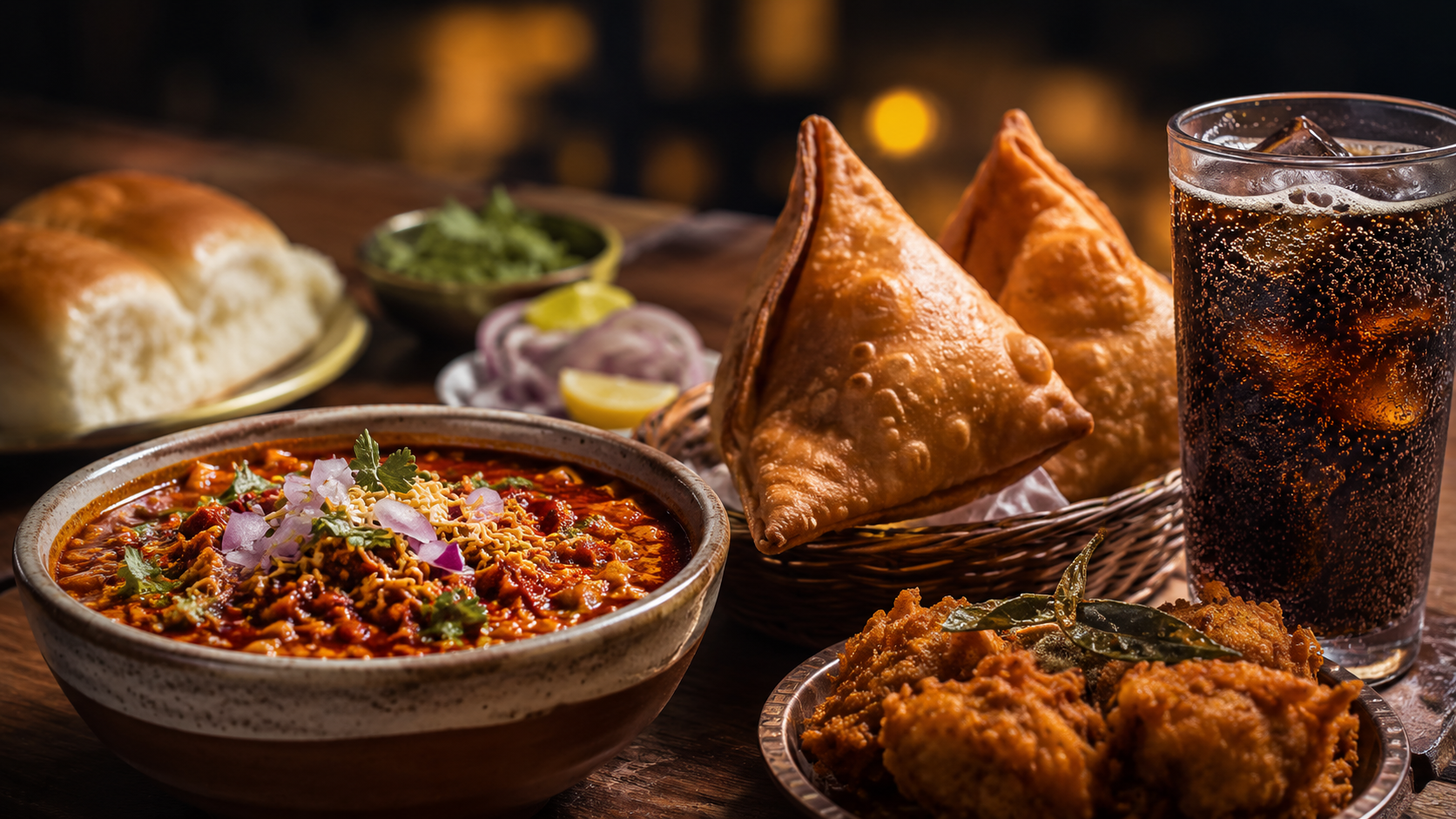
My friends, if we want to avoid the frequent trouble of a heavy or tight stomach after meals, we must pay special attention to what we eat every single day. Because there are certain foods in our daily diet that taste absolutely amazing, but once they enter our stomach, they increase the trouble of gas and bloating at double the speed.
If you want to permanently avoid this constant bloating problem, then stop the excessive use of these foods today:
- Highly Spicy and Masala Foods (Spicy Foods): Foods containing a high amount of spices, garam masala, and red chili powder increase the natural acid in your stomach. For example, eating Misal Pav, Shev Bhaji, spicy Biryani, and extra spicy curries or gravies on a regular basis triggers heart burn and immediately causes a bloated stomach after eating.
- Deep-Fried and Fatty Foods (Fried & Fatty Foods): Oily foods are packed with high fats, which means your stomach has to work incredibly hard just to break them down. For example, eating samosas, bhajis, batata vada, French fries, wafers (chips), and extra oily or deep-fried non-veg slows down your body’s natural digestive system and makes your stomach feel very heavy.
- Cold Drinks and Soda (Carbonated Drinks & Soda): These drinks are tightly packed with carbon dioxide gas. For example, cold drinks like Thums Up, Coca-Cola, Sprite, plain soda, or even Jeera Soda which people often drink after meals thinking it helps digestion, actually increase the amount of natural gas inside your gut. This is exactly why your stomach swells up and feels completely tight, just like a blown-up balloon.
- Bakery and Refined Flour Items (Processed & Maida Foods): Refined flour (maida) has absolutely zero fiber, which makes it stick inside your intestines like glue. For example, eating biscuits, khari, toast, bread, pizza, burgers, or pasta in large amounts stops your stomach from clearing properly, and the painful problem of stomach tightness and bloating becomes a permanent part of your life.
- Certain Heavy Lentils and Beans (Certain Beans & Lentils): Lentils are normally very healthy for our body, but if your digestion is already a little weak, then for example, chana, chole, rajma, and whole urad dal can be extremely heavy to digest. Once these items enter your stomach, they produce a massive amount of trapped gas.
✅ Simple Ways To Relieve A Tight Stomach After Eating (Quick Home Remedies for Gas & Bloating)

My friends, if you ever accidentally overeat your favorite food, or if your stomach feels very heavy and tight due to a bad lifestyle, or if your stomach gets upset and causes sour burps, there is absolutely no need to panic.
We have some very simple and natural things right available in our kitchen that can give you relief from this discomfort within a few minutes. Personally, whenever I go through this painful trouble, I make sure to try a few home remedies that give my stomach instant relief:
1. Chew Carom Seeds (Chew Ajwain)
When your stomach feels tight and bloated, the very first and most trusted remedy is to take a spoonful of ajwain, put it in your mouth, and chew it properly. Ajwain contains natural properties that immediately activate your body’s digestive process.
Because of this, the heavy stiffness trapped inside your stomach goes away, and it heavily helps to clear your stomach smoothly the next morning.
2. The Lemon and Baking Soda Miracle
When a massive amount of gas builds up inside your stomach and causes continuous sour burps, this remedy works like magic. Take a half-cut lemon and spread a little bit of your regular kitchen baking soda over it. As soon as you put the soda, a nice thick foam will start coming up.
The moment that foam appears, simply squeeze that lemon directly into your mouth! If you find it hard to squeeze the lemon directly, just make a simple lemonade (lemon water), add a pinch of baking soda to it, and drink it down while it is still foaming.
The moment this foam enters your gut, the trapped gas in stomach releases within a few moments, and your stomach instantly feels calm.
3. Drink Hot Water Like Tea (Drink Hot Water)
If your stomach feels extremely heavy and you have no idea what to do, just take regular water and boil it nicely until it is hot. Then, sip this hot water slowly, just like you enjoy a hot cup of tea. This hot water works to push the heavy food forward inside your digestive system.
Within 30 to 45 minutes of drinking this water, your stomach clears out, the remaining trapped gas inside your intestines goes away completely, and your stomach feels incredibly light.
4. Sit in Vajrasana for 10 to 15 Minutes
Never make the mistake of lying down on your bed immediately right after having your meals. As soon as you finish eating, sit in Vajrasana on the floor or a mat for 10 minutes.
To improve your digestion at double the speed and to release trapped gas, this is the only yoga posture that you can comfortably do right after eating.
5. Take a Slow Walk (Shatpavali)
If sitting in Vajrasana is not possible for you, then just take a very slow walk of at least 100 steps inside your house or on the terrace (which we traditionally call Shatpavali).
Moving your body gently right after meals ensures that the food does not just sit and pile up in one place, which quickly reduces stomach tightness and bloating after eating.
🚨 When Should You See A Doctor? (Don’t Ignore These Symptoms)
My friends, a heavy or tight stomach after meals is usually a very common thing that gets easily cured with simple home remedies. But let me tell you, it may not be normal every single time. Sometimes, this constant tightness in your stomach can be a warning sign of a bigger health issue inside your body.
If you are experiencing any of the following symptoms along with a tight stomach, then instead of just sitting and trying home remedies, you must immediately visit a doctor for a proper check-up:
- Severe and Unbearable Stomach Pain (Severe Stomach Pain): If your stomach is not just tight but you suddenly experience sharp, intense cramps or unbearable pain inside it, then this can be a serious symptom.
- Continuous Vomiting: If absolutely nothing you eat or drink stays down in your stomach and you suffer from constant vomiting, do not just rely on home remedies.
- Sudden and Unexplained Weight Loss: If your weight is dropping down rapidly without any diet or exercise, and your appetite has completely died.
- Blood in Stool (Passing Blood during Toilet): If your stomach is not clearing out or if you notice blood while passing stool in a natural way, then this is a clear sign to see a doctor immediately.
- Persistent Fever for Many Days: Along with a heavy stomach, if you constantly feel a low-grade fever inside your body, there is a high chance of having an infection somewhere.
🔗 Conclusion
My friends, experiencing a heavy or tight stomach after meals has become a very common lifestyle problem today. But as we discussed above, in most cases, this is not because of any major stomach disease, but simply due to our small daily eating mistakes and a bad lifestyle habit.
Eating too much in a rush or immediately hitting the bed right after meals completely disturbs your body’s natural digestive system.
But don’t worry, by making tiny adjustments—like eating mindfully, chewing your food properly, and doing a short 10-minute Shatpavali (slow walk) or sitting in Vajrasana—you can easily keep your gut happy and permanently prevent stomach tightness and bloating after eating.
Always remember, a healthy life begins with a happy and healthy stomach!
🤙 Let’s Stay Connected!
Did you find these remedies helpful? I would absolutely love to hear from you! Please drop a comment below and share which home remedy worked best for your bloated stomach.
If you loved reading this authentic guide, don’t forget to share this post with your family and friends who often complain about gas problems.
For more such practical and daily health tips, make sure to follow Smart Vibe Wellness right now.
Let’s build a healthier lifestyle together!
❓ FAQs: Frequently Asked Questions
My friends, you will find simple and clear answers here to all your common questions about why your stomach feels tight after meals and how to fix it naturally.
1. Is it normal to experience a bloated or tight stomach every time after eating?
My friends, if your stomach feels heavy once in a while after a heavy wedding meal or eating your favorite fast food, it is completely normal. But let’s be honest, if you get a bloated stomach after eating almost every single day, then it is a clear sign that your digestive system or your eating habits need a small fix.
Instead of ignoring it, making tiny changes in your routine will help you permanently prevent stomach tightness and bloating.
2. What is the single best golden rule to avoid stomach tightness while eating?
The biggest secret is actually very simple—chew your food properly, at least 32 times! When we eat in a huge rush while watching TV or scrolling on our phones, we accidentally swallow a lot of air along with our food.
This trapped air later turns into a tight gas bubble. So, take small bites, keep your mouth closed while chewing, and let your body digest the food naturally.
3. Should I drink water immediately after meals to relieve a heavy stomach?
Absolutely not! Gulping down a glass of cold or regular water right after your meals is the biggest mistake you can make for your gut health. It immediately cools down your body’s natural digestive fire.
As a result, the food just sits and rots inside your stomach instead of digesting properly, which creates more gas. The best way is to wait for 30 to 45 minutes and then enjoy a warm cup of water.
4. Does lying down on the bed help with a tight and heavy stomach?
Honestly, most of us love to hit the bed immediately right after a heavy lunch or dinner, but this habit actually makes the bloating much worse! When you lie down flat, your stomach acid starts moving upwards toward your throat, causing severe heartburn and sour burps.
Instead of sleeping, try sitting in Vajrasana for 10 minutes or take a short slow walk (Shatpavali) to release the trapped gas in stomach.
5. Can I use the lemon and baking soda remedy every single day?
This homemade remedy works like absolute magic as an emergency fix to quickly release trapped gas and make your stomach light.
However, using baking soda every single day is not good for your long-term stomach health because it can disturb the natural acid balance of your body. Use it only as a quick relief when the discomfort is high, not as a daily habit.
⚠️ Disclaimer
My friends, the information and home remedies shared in this blog are purely for educational purposes and general wellness awareness. This content is based on personal experiences and traditional home practices, and it should not be treated as professional medical advice, diagnosis, or treatment.
Every person’s body and digestive system react differently to different things, so what works for one person might not work the same way for another.
If you are suffering from chronic stomach issues, severe pain, or any underlying health conditions, please do not rely solely on home remedies. We strongly recommend that you consult a qualified doctor or a healthcare professional before making any major changes to your diet or lifestyle.
Your health is extremely precious, so always take expert medical advice when needed!
I really liked your post. I really liked your remedies and I tried them and they were very helpful for me.
Thank you for your positive response ❤️ May this love remain the same.